The convergence of 5G wireless networks and edge computing represents a fundamental transformation in how we connect devices, process data, and deliver digital services. Together, these technologies enable a new generation of applications requiring ultra-low latency, massive device connectivity, and distributed intelligence that were simply impossible with previous network generations.
The 5G Revolution
Fifth-generation wireless technology delivers dramatic improvements over 4G LTE across multiple dimensions. 5G networks offer peak data rates exceeding 10 gigabits per second, more than 100 times faster than 4G. Equally important, 5G reduces latency to as low as 1 millisecond, compared to 50 milliseconds or more for 4G, enabling real-time applications requiring instant responsiveness.
Beyond speed and latency, 5G dramatically increases network capacity and device density, supporting up to one million connected devices per square kilometer. This massive connectivity enables the Internet of Things to scale to billions of sensors and devices while maintaining reliable performance. 5G networks also offer network slicing capabilities that allow operators to create multiple virtual networks tailored for specific use cases, from autonomous vehicles requiring ultra-reliable low-latency communication to IoT sensors needing minimal bandwidth but long battery life.
Understanding Edge Computing
Edge computing complements 5G by processing data closer to where it's generated rather than sending everything to distant cloud data centers. This distributed computing architecture places processing power, storage, and intelligence at the network edge, near end users and data sources. By minimizing the distance data must travel, edge computing reduces latency, decreases bandwidth consumption, and enables applications to function even when cloud connectivity is limited or unavailable.
The edge computing ecosystem includes various deployment models, from on-premises edge servers at enterprise facilities to multi-access edge computing (MEC) nodes integrated into telecommunications infrastructure. This flexibility allows organizations to balance requirements for performance, security, and cost while maintaining integration with centralized cloud platforms for management, analytics, and applications requiring massive scale.
Autonomous Vehicles and Transportation
Self-driving vehicles represent one of the most demanding applications for 5G and edge computing. Autonomous vehicles must process enormous amounts of sensor data in real-time to perceive their environment, make split-second decisions, and coordinate with other vehicles and infrastructure. Edge computing enables this processing to happen locally with minimal latency, while 5G connectivity allows vehicles to share information about road conditions, hazards, and traffic patterns.
Vehicle-to-everything (V2X) communication leverages 5G networks to enable cars to communicate with each other, traffic signals, road sensors, and pedestrian smartphones. This connected ecosystem improves safety by alerting drivers to hazards before they're visible, optimizes traffic flow to reduce congestion, and enables new mobility services. Edge computing processes this flood of data locally to provide instant responses while aggregating insights in the cloud for traffic management and urban planning.
Smart Manufacturing and Industry 4.0
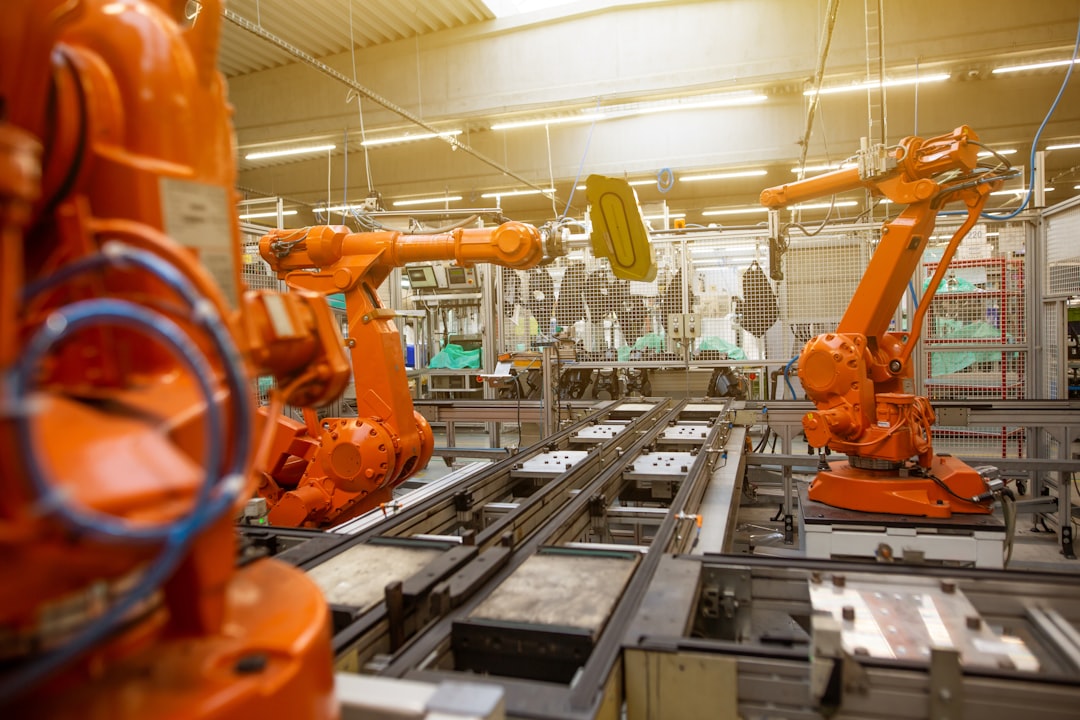
Manufacturing facilities are being transformed through 5G-connected sensors, robots, and machinery combined with edge computing for real-time control and optimization. Wireless 5G connectivity eliminates the need for extensive cabling while providing the reliability and low latency required for industrial automation. Robots and automated guided vehicles can operate flexibly throughout facilities without physical constraints, reconfiguring production lines quickly to accommodate different products.
Edge computing enables real-time quality control through computer vision systems that inspect products at production speeds, immediately identifying defects and triggering corrective actions. Predictive maintenance systems analyze equipment sensor data at the edge to detect anomalies indicating potential failures, scheduling maintenance proactively to minimize downtime. These capabilities combine to increase productivity, improve quality, and reduce operational costs while enabling the flexibility required for mass customization.
Augmented and Virtual Reality
Immersive augmented reality and virtual reality applications demand enormous bandwidth and minimal latency to provide comfortable, realistic experiences. 5G networks provide the throughput needed to stream high-resolution 3D content while edge computing reduces latency to prevent motion sickness and maintain immersion. These technologies enable enterprise AR applications for remote assistance, training, and visualization that enhance productivity and reduce errors.
In consumer applications, 5G and edge computing enable shared AR experiences where multiple users interact with the same virtual objects in real-time, creating new possibilities for gaming, social interaction, and entertainment. Virtual reality streaming from edge servers eliminates the need for expensive local hardware, making immersive experiences more accessible. As 5G coverage expands and edge infrastructure develops, AR and VR applications will move beyond indoor spaces to outdoor environments and mobile scenarios.
Healthcare and Telemedicine
Healthcare delivery is being transformed through 5G-enabled telemedicine and remote patient monitoring. High-definition video consultations provide alternatives to in-person visits, improving access to care while reducing costs. Remote specialists can guide local practitioners through complex procedures using AR visualization tools that overlay guidance directly onto the patient. Portable diagnostic devices equipped with 5G connectivity enable testing and monitoring in patients' homes or remote locations.
Edge computing ensures patient data is processed securely and responsively while meeting strict regulatory requirements for health information. Real-time analysis of patient monitoring data at the edge can detect emergency situations and alert healthcare providers instantly. Hospitals leverage private 5G networks to connect medical devices reliably without interference, while edge computing enables AI-powered diagnostic tools that assist physicians in detecting diseases and planning treatments.
Smart Cities and Infrastructure
Urban environments are becoming smarter through 5G-connected sensors and edge computing infrastructure that optimize city services and infrastructure. Intelligent traffic management systems adjust signal timing dynamically based on real-time traffic patterns, reducing congestion and emissions. Smart street lighting adjusts brightness based on pedestrian and vehicle presence, saving energy while maintaining safety. Environmental sensors monitor air quality, noise levels, and other factors affecting urban livability.
Emergency services benefit from 5G connectivity that enables real-time video sharing from incident scenes, improving situational awareness and response coordination. Edge computing processes video streams from security cameras to detect unusual activities or safety hazards, alerting authorities immediately. Smart infrastructure monitors bridges, buildings, and utilities continuously, identifying maintenance needs before failures occur. These integrated systems make cities more efficient, sustainable, and livable.
Challenges and Deployment
Despite their promise, 5G and edge computing face deployment challenges. Building 5G networks requires significant infrastructure investment, including thousands of new cell sites to provide coverage and capacity. Edge computing infrastructure must be deployed widely to bring processing power close to users and devices. Standardization and interoperability remain works in progress, with various competing approaches to network architecture and edge platform implementation.
Security considerations become more complex with distributed edge infrastructure and numerous connected devices. Organizations must implement comprehensive security strategies covering network access, data protection, and device authentication. Energy consumption of 5G networks and edge computing infrastructure raises sustainability concerns driving research into more efficient technologies. Managing distributed edge deployments presents operational challenges requiring new tools and approaches.
The Future of Connected Infrastructure
As 5G networks mature and edge computing infrastructure expands, we'll see continued innovation in applications leveraging these capabilities. The next evolution toward 6G networks promises even greater performance, while edge computing will become increasingly intelligent with integrated AI capabilities. The combination will enable applications we haven't yet imagined, fundamentally transforming how we work, communicate, and interact with technology.
Success in this connected future requires organizations to understand these technologies' capabilities and limitations, experiment with pilot applications, and develop strategies for gradual adoption aligned with business objectives. Those that effectively leverage 5G and edge computing will gain significant competitive advantages through enhanced customer experiences, operational efficiency, and new service possibilities enabled by this transformative infrastructure.